FIND YOUR NEXT DAILY GAME
6 Games Like Globle
Globle hides a daily Mystery Country and colors your country guesses hotter as they approach it. These alternatives put country-by-country deduction first, followed by games that ask you to identify a country from cultural or food clues.
← Back to GlobleCompare Globle alternatives
Compare the core modes below; optional archives, memberships and practice modes can have different access rules.
| Game | Daily or unlimited? | Rounds / time limit | How it scores |
|---|---|---|---|
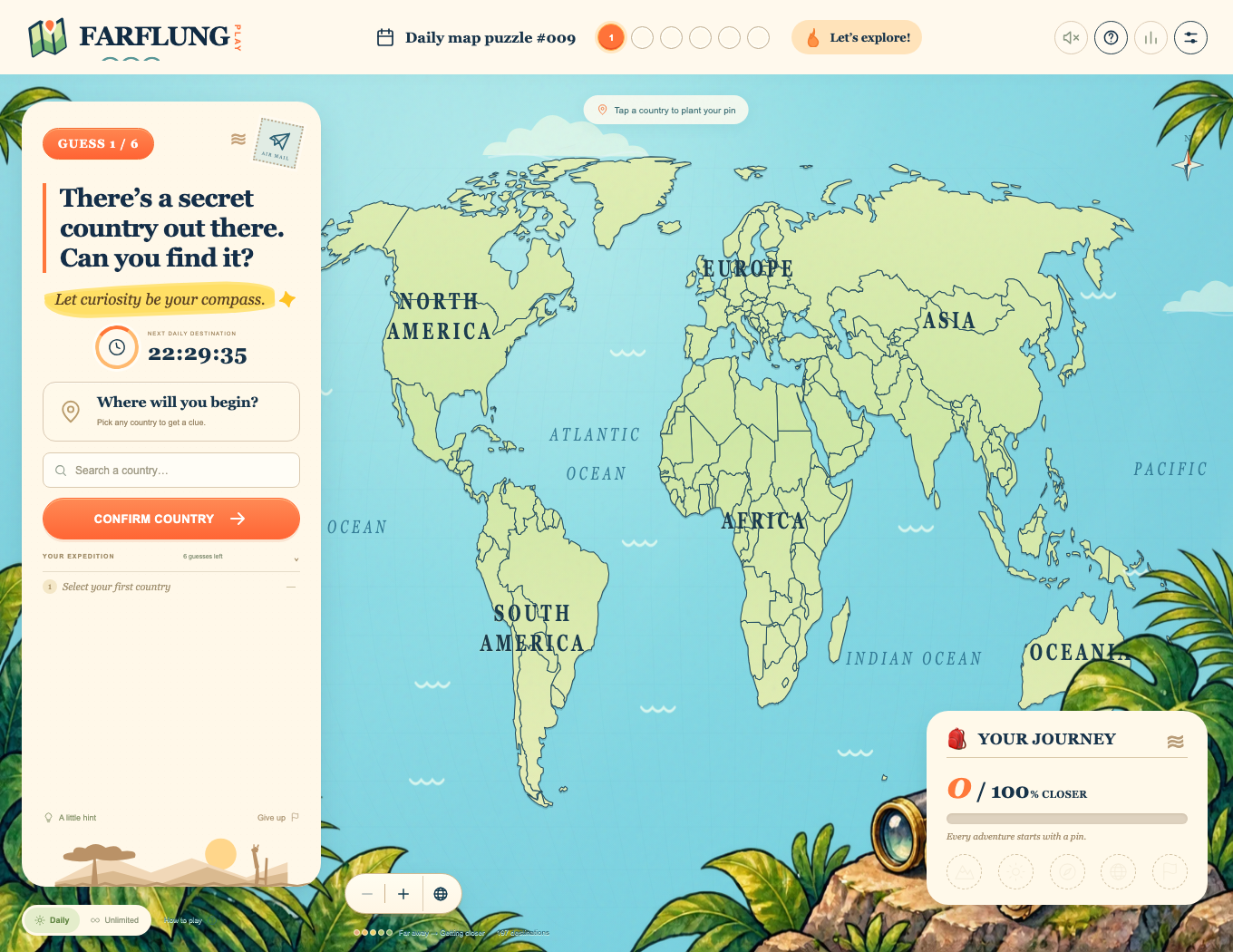
| Farflung Play | Daily + Unlimited | 6 guesses; one hidden country | Great-circle distance and compass direction point from each guess toward the target. |
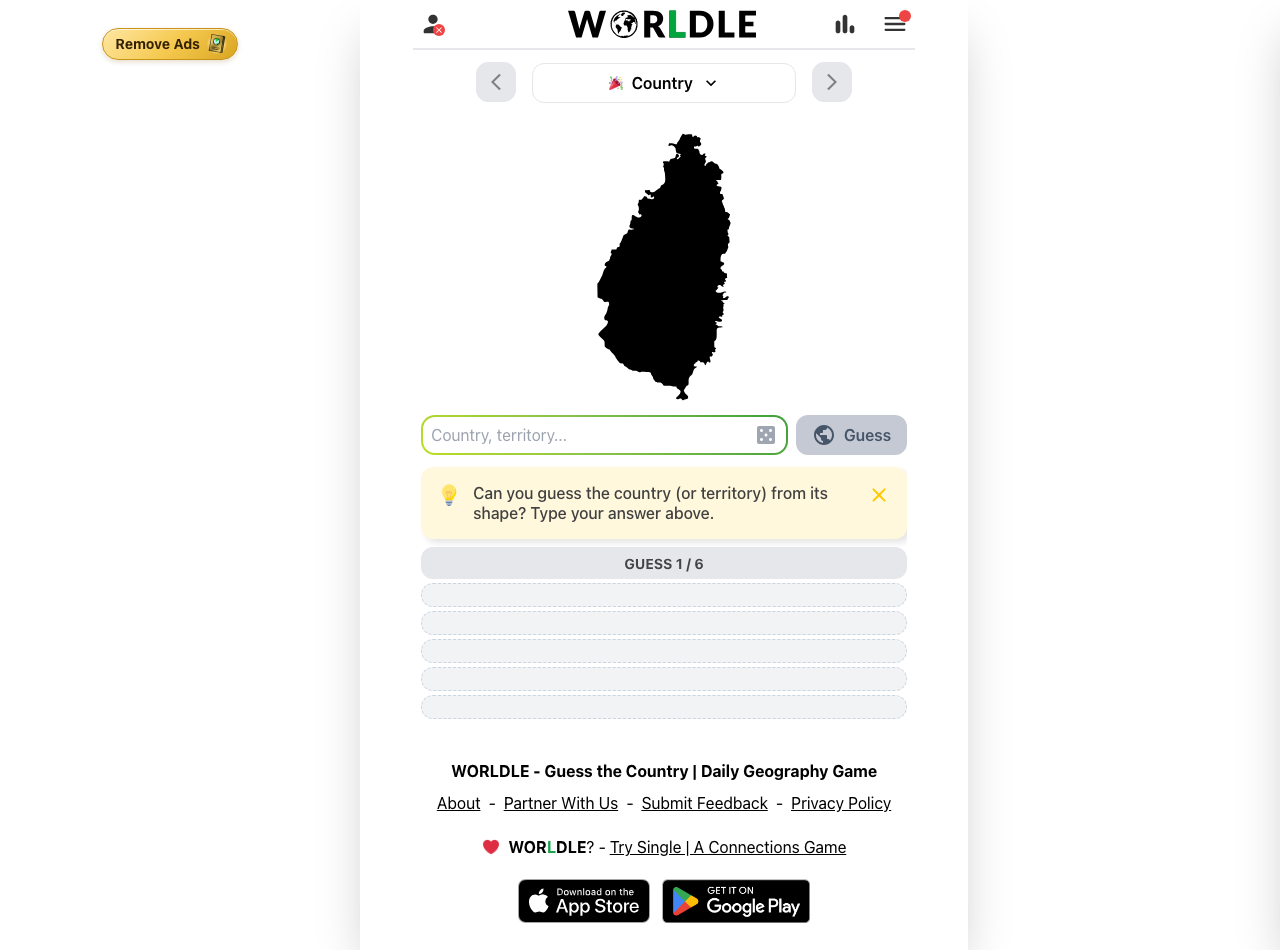
| Worldle | Daily; Premium archive | 6 guesses; one country or territory | Wrong guesses return distance, direction and a proximity percentage. |
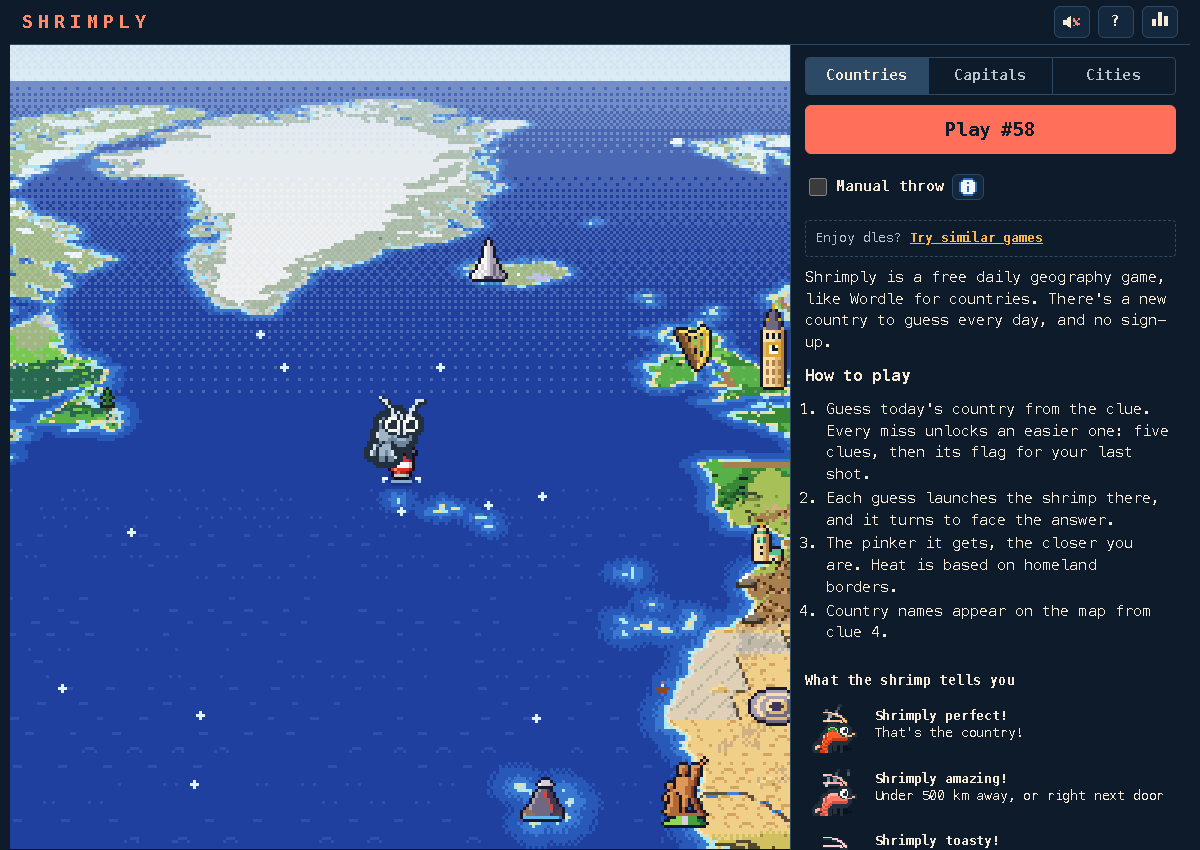
| Shrimply | Daily | Five clues, then a flag for the last attempt | A shrimp points toward the answer and becomes pinker with proximity; misses reveal easier clues. |
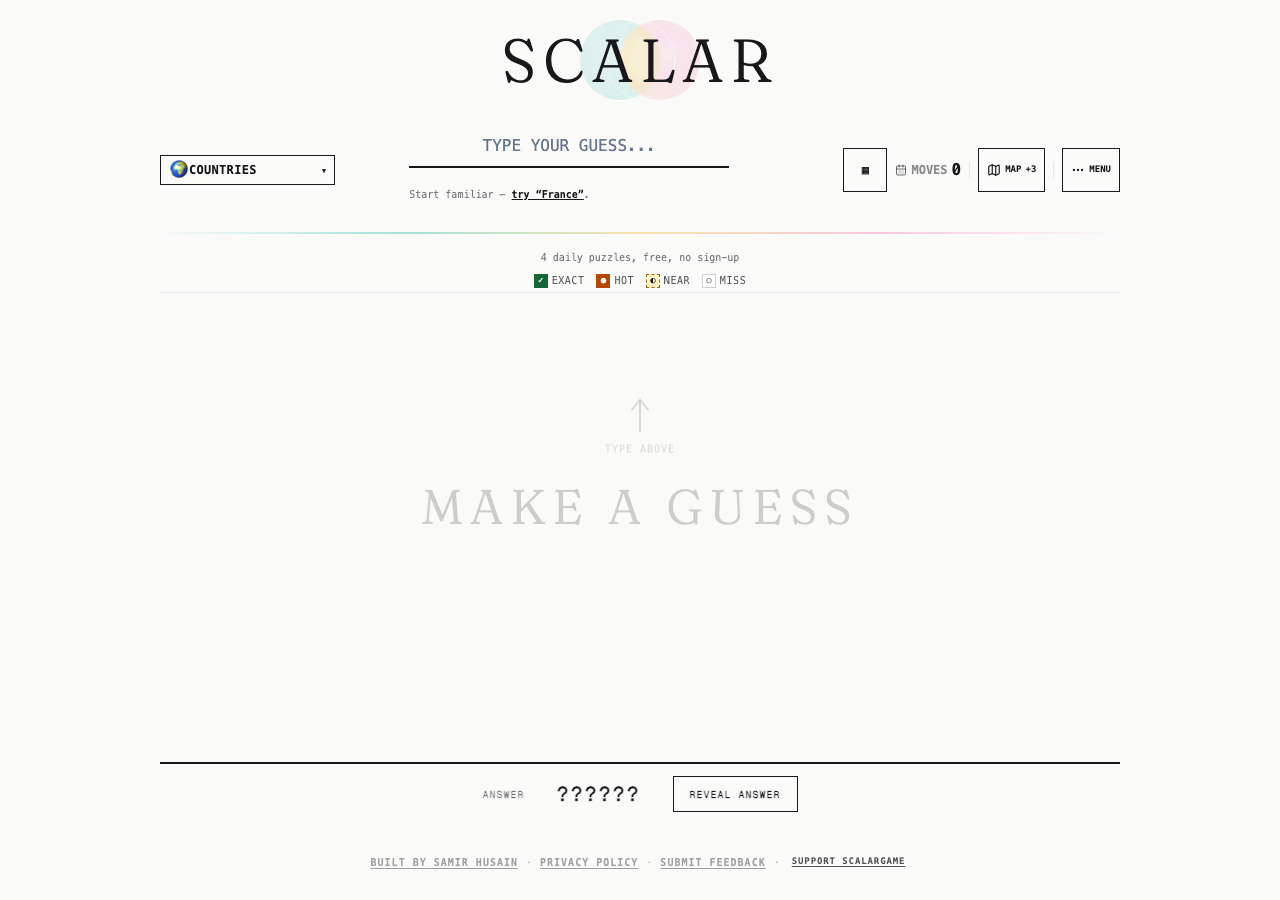
| Scalar | Daily Countries mode | One hidden country | Comparison cards grade location, area, population, borders and other country attributes. |
| DishGuessr | Daily challenge + separate solo and multiplayer modes | 5 dishes; up to 5 guesses per dish | Cold, Warm and Hot distance feedback helps refine each country guess. |
| Originle | Daily; archive linked | 3 guesses; 8 available clues | Extra clue reveals reduce the points available for identifying the country. |
What to play after Globle
Farflung Play
Farflung Play keeps the hidden-country search but gives numerical distance and direction instead of making globe color your main guide. Its distances use representative country coordinates, not nearest borders; optional continent and subregion hints appear in the shared result without consuming guesses.
Rules & play Farflung Play →Worldle
Worldle begins with a country or territory silhouette, giving you a visual clue before your first guess. Distance and arrow feedback then help narrow the answer, so recognizing outlines matters alongside geographic proximity.
Rules & play Worldle →Shrimply
Shrimply combines a written clue with direction and hot-or-cold feedback on a map. It measures distance between homeland borders rather than capital cities, and later clues add more help before the final flag.
Rules & play Shrimply →Scalar
Scalar replaces a single proximity signal with several country comparisons. A guess can help because its population or borders resemble the target, even when its location alone would not make it an obvious next step.
Rules & play Scalar →DishGuessr
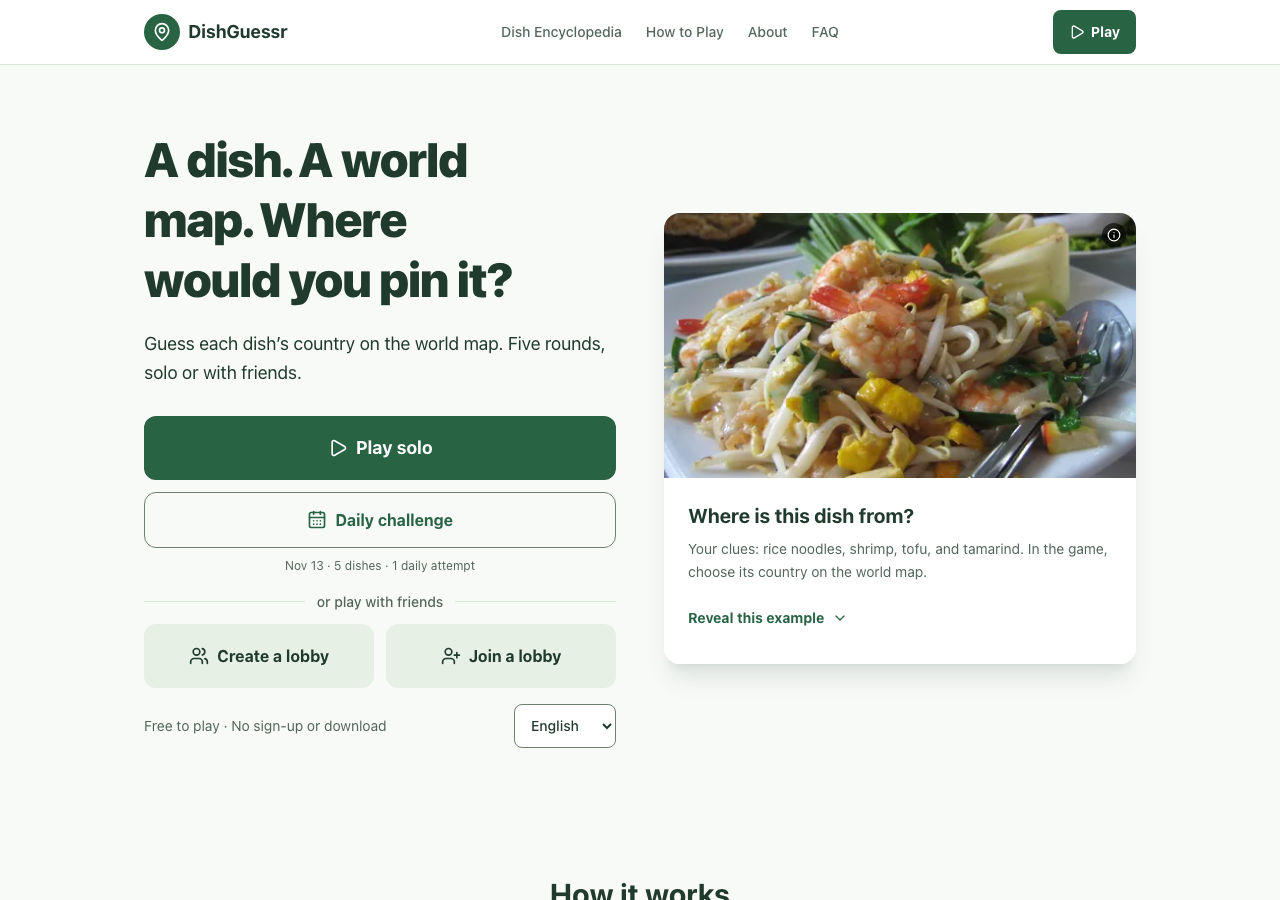
DishGuessr asks which country a photographed dish comes from, using its ingredients as additional clues. You still refine country guesses with distance feedback, but food recognition supplies the starting evidence and the daily challenge contains five dishes rather than one mystery country.
Rules & play DishGuessr →Originle
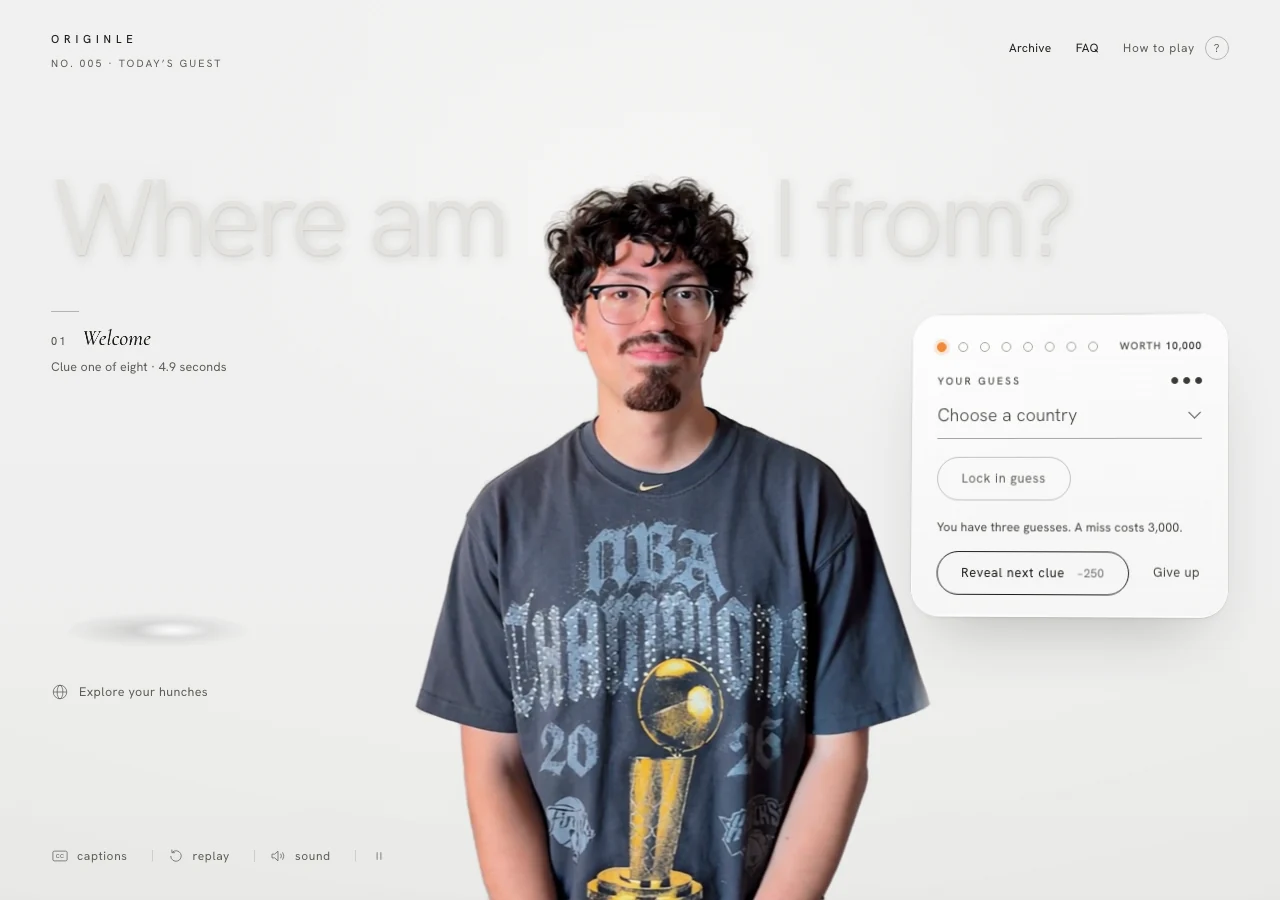
Originle asks which country a guest represents through their roots and culture, starting with a video clue. Instead of following hotter map colors, you decide how much additional evidence to reveal before committing one of three country guesses.
Rules & play Originle →
Globle alternatives: questions
What is the difference between Globle and Worldle?
Globle starts a hidden-country search through hotter and colder colors on a globe. Worldle shows a country or territory outline first, then gives distance, direction and a proximity percentage after a wrong guess. Its main Country round has six attempts; Globle does not use that same fixed six-guess format.
Which Globle alternative has an Unlimited mode?
Farflung Play has a separate free Unlimited mode for additional country-guessing rounds without changing the daily streak. It is an independent game at farflungplay.com, not the original Farflung at farflung.game.
Do all country games measure distance the same way?
No. Farflung Play uses representative country coordinates, while Shrimply uses homeland borders. A nearby border and a representative point can suggest different distances, so do not carry a numeric distance assumption from one game into another.